Are social signals a Google ranking factor?
No. Google has been consistent that it does not count likes, shares, followers or engagement on social platforms when ranking web pages, partly because those numbers are easy to buy and partly because Google cannot crawl most of what happens inside the platforms. A Leeds business with ten thousand Instagram followers and a thin website will rank behind a competitor with no Instagram and a strong one.
So if the plan is to post more in the hope that Google notices, stop. The benefit comes another way.
How does social media help SEO indirectly?
By putting the content that earns rankings in front of the people who can affect them. A written case study, a filmed job or a useful guide published on your website and shared on LinkedIn or Facebook reaches trade contacts, journalists, suppliers and local groups, and some of them link to it or mention it on their own sites. Those links and mentions are ranking factors, and they are also what the AI assistants read when deciding who to recommend. Social is the distribution. The website is where the credit lands.
The second effect is on brand searches. People who see you regularly in a feed type your name into Google when they need you, and a steady rise in searches for your own name is a signal Google can see and one that helps a local business.
Does YouTube count, given that Google owns it?
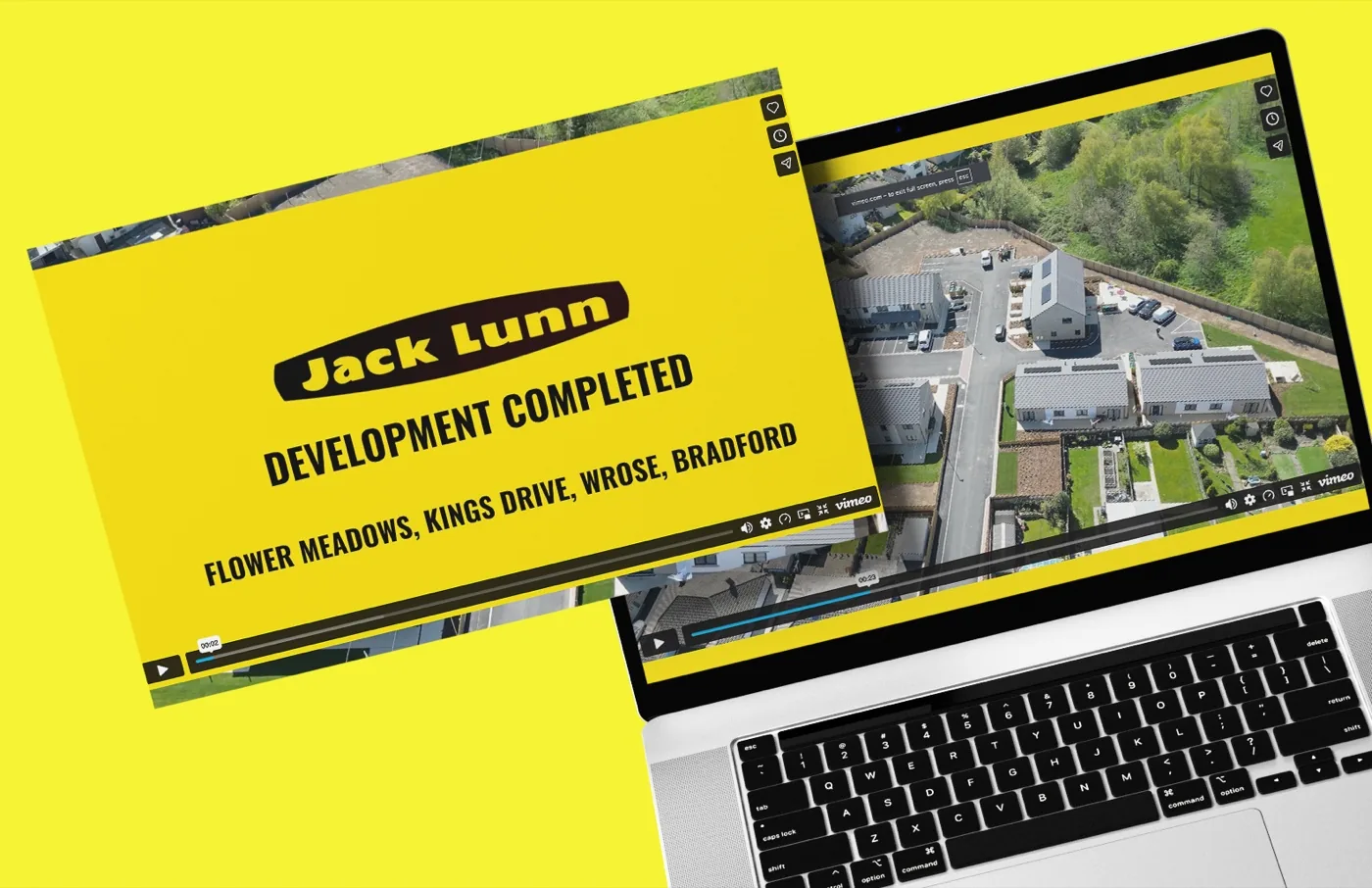
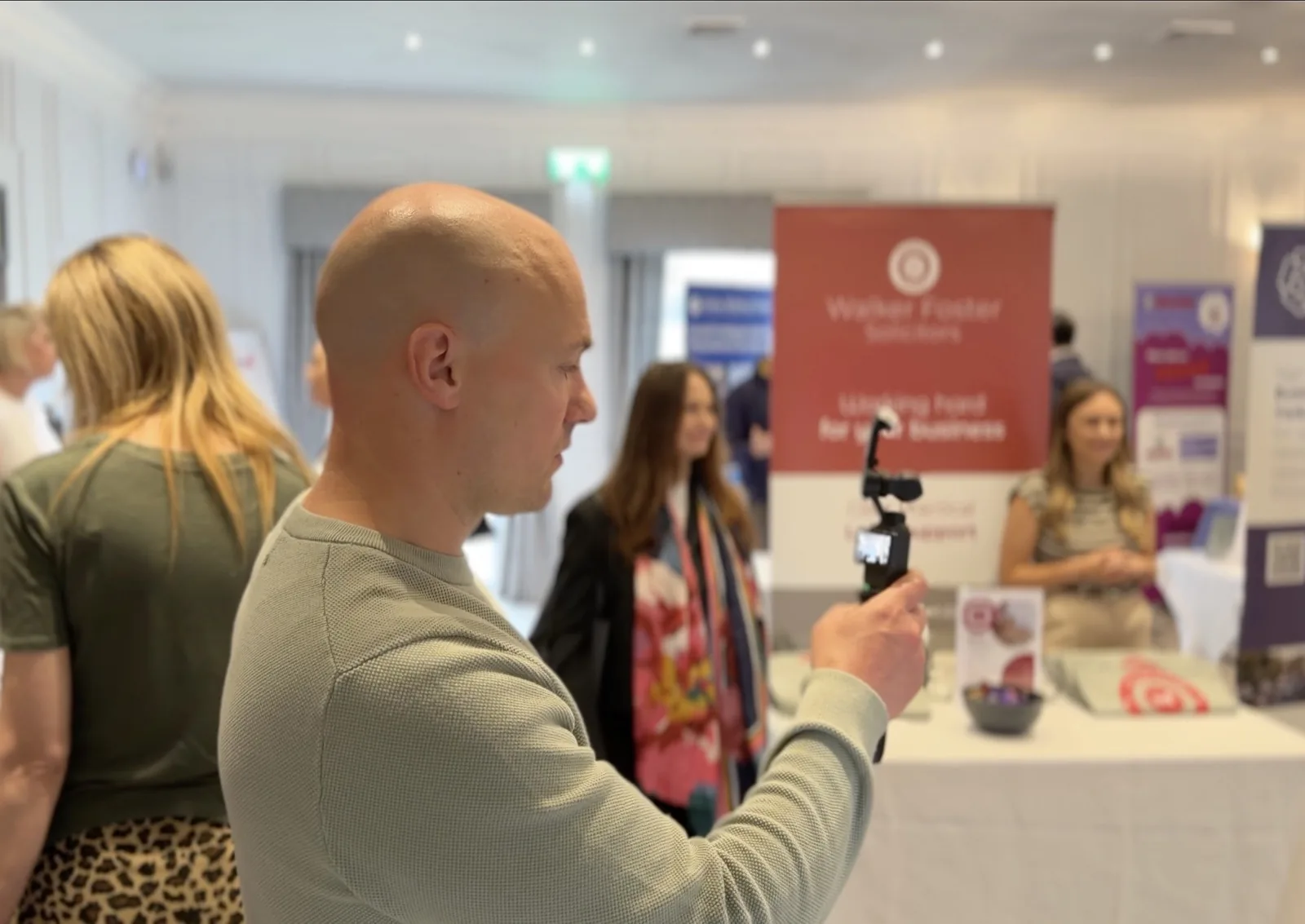
Yes, and it is the one platform where the line between social and search disappears. YouTube is often described as the second largest search engine, and its videos appear inside Google results, sometimes above the web pages. A filmed job with a plain title, the town in it and a description saying what was done can rank in Google for a service search where your website page does not. Standeven Flooring’s installations, the M&S Food store in Pudsey among them, are filmed as they happen for that reason, and the same footage feeds the website, the social feeds and the search results at once.
What about Google Business Profile posts and reviews?
They behave like social media and they do affect local rankings, which makes the profile the one social-shaped channel with a direct line to search. Posts, photographs of recent jobs, answers to questions and, above all, a steady flow of reviews with replies tell Google the business is active and trusted, and they are what a Leeds customer sees in the map results before reaching your website. Treat the profile as a feed in its own right. The photograph you post on Instagram belongs there too, and the review you ask for after a job does more for your rankings than any post.
Dolphin Heating in Huddersfield is number one on Google for female gas engineer Huddersfield and named in the AI answer, and the reason is that the website, the positioning and the search work were all built around the phrase people actually type.
Does social media help with AI search too?
Yes, and arguably more directly than it helps Google, because the assistants read public posts, profiles and the mentions that come from them. When ChatGPT or Gemini is asked to recommend a flooring contractor in Leeds, it draws on everything it can find that describes the business, and a LinkedIn page full of named, filmed jobs is part of that picture. The social profile is one more place where the business states plainly what it does and where, and consistency across the website, the Google profile and the social accounts is what lets the assistants join it up.
So what should a Leeds business post to help its search?
Evidence, published on your website first and shared second. The order matters: a job written up as a page on your site and then posted to LinkedIn with a link earns the link and the mention. The same job posted only as an Instagram carousel earns a few likes and nothing Google can see. Aim for one real job a fortnight: photographs you took, what was done, where, for whom if you can say, and a line on the problem it solved. Film it if you can. Then put it on the website, the Google profile, the one social channel your buyers use and YouTube, in that order.
That is what the content work looks like for our Leeds clients. One visit to a site produces material for every channel, and the website gets it first because that is where the search value is.